Revamp Your Outdoor Sanctuary: Green Landscape's Tips for Eco-Conscious Makeovers Mar 28, 2026
When beginning your landscape makeover, the first step is careful planning. Consider the local climate and native plants, which are adapted to thrive in your area with minimal intervention. Native plant species require less water, fertilizers, and pesticides, which makes your garden both cost-efficient and environmentally friendly. It’s a good idea to choose a variety of plants that bloom seasonally, ensuring your garden offers visual appeal throughout the year.
Water conservation is a critical element of an eco-conscious garden. Reduce water usage through smart irrigation systems, such as drip irrigation, which delivers water directly to the plant roots. Additionally, consider rainwater harvesting systems; by capturing and storing rainwater, you can significantly reduce dependency on municipal water supplies. Implement these water-saving techniques and watch your garden thrive with less waste.
Incorporating composting into your garden routine provides dual benefits of reducing waste while enriching soil health. Composting transforms kitchen scraps and yard waste into nutrient-rich soil amendments. Use this organic matter to enhance soil fertility, promote healthier plant growth, and reduce the need for chemical fertilizers. As an additional tip, consider mulching. This practice suppresses weeds, retains soil moisture, and maintains an even soil temperature.
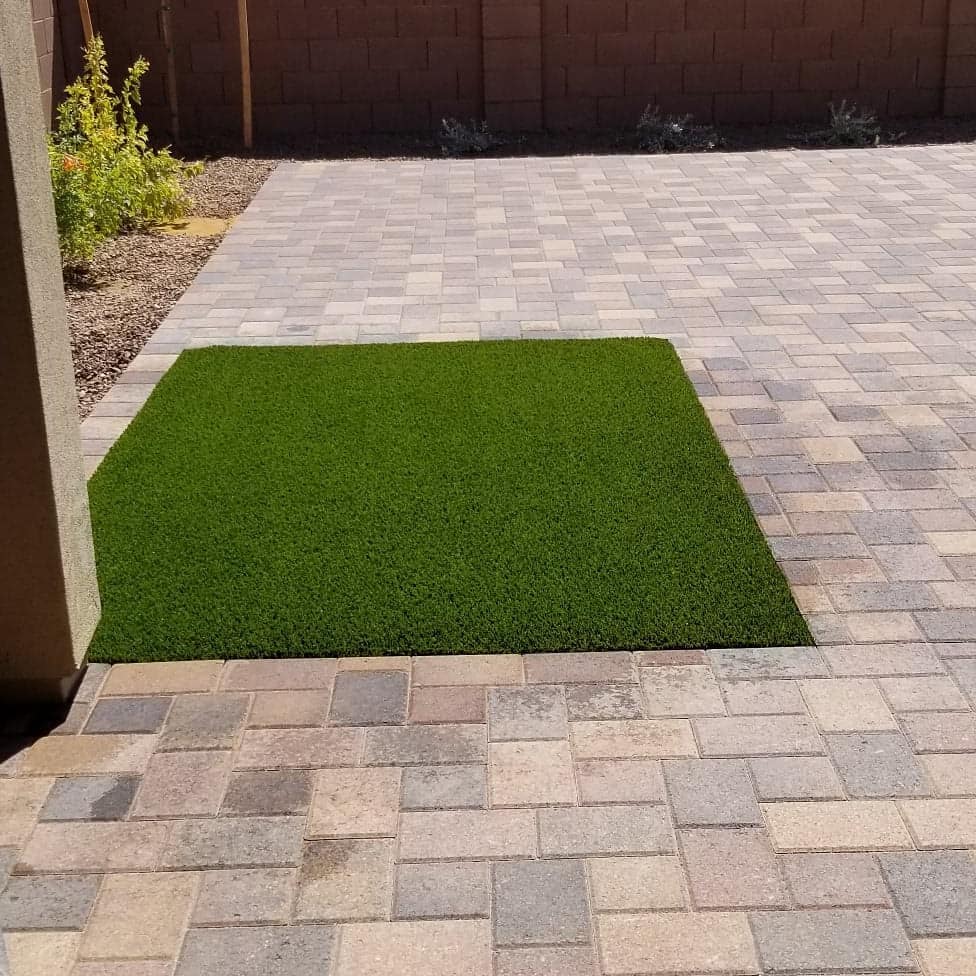
Another key component of an eco-friendly landscape is efficient space utilization. Think vertically by incorporating trellises or wall-mounted planters. Vertical gardens not only maximize space but also improve air quality and add a unique aesthetic dimension to your outdoor area. Similarly, incorporate permeable materials such as gravel or permeable pavers for paths and patio areas to facilitate rainwater absorption and reduce runoff.
Wildlife-friendly features can also significantly contribute to an eco-conscious makeover. By installing birdhouses, bat boxes, or creating a small pond, you invite beneficial wildlife to take residence in your landscape. These features not only enrich biodiversity but can also lead to healthier garden ecosystems as they naturally control pests.
Throughout your garden redesign, aim for sustainability in every choice. Use recycled or sustainable materials for hardscapes and structures. Consider solar lighting to illuminate pathways and enhance safety without increasing your carbon footprint. An eco-friendly landscape isn't just about the plants; it's about a holistic approach to design that prioritizes sustainability at every turn.
As you implement these changes, remember that patience is a cornerstone of any sustainable landscaping project. Gardens need time to grow and flourish, and by starting small, you can gradually develop your outdoor sanctuary into a thriving, eco-friendly retreat. Small steps lead to significant impacts, and in time, your garden will be a testament to the beauty and functionality of environmentally responsible landscaping.
In conclusion, revamping your outdoor space with Green Landscape’s tips ensures that you not only create an aesthetic and relaxing environment but also contribute positively to the planet. By choosing native plants, conserving water, composting, utilizing vertical spaces, and inviting wildlife, you’re nurturing a landscape that is both beautiful and sustainable. Embrace these practices, and transform your garden into a thriving eco-conscious haven.
/filters:no_upscale()/filters:format(webp)/media/03a58f8e-b674-4da0-8730-bd81fdff9d56.jpeg)